
Strategic Human Capital: Aligning Youth Dynamism with China’s 15th Five-Year Plan Objectives
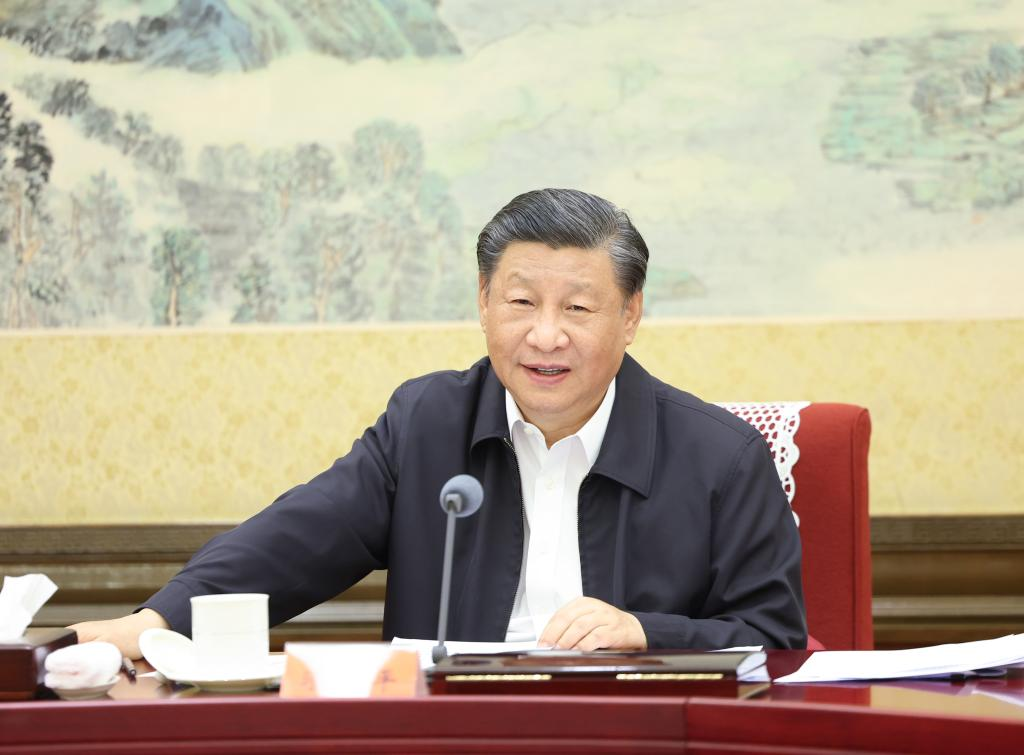
The recent reply letter from President Xi Jinping to the awardees of the China Youth May Fourth Medal serves as a significant strategic directive for the mobilization of human capital as China enters the inaugural year of its 15th Five-Year Plan (2026-2030). From an analytical perspective, this isn't merely a message of encouragement; it is a call for the structural alignment of individual professional trajectories with the nation's macroeconomic targets. By highlighting sectors such as sci-tech innovation, rural revitalization, and border defense, the leadership is signaling where the highest density of resource allocation and "youth dynamism" is required to maintain a GDP growth rate that remains competitive on the global stage.
The timing of this directive is critical. As 2026 marks the opening phase of a new five-year economic cycle, the integration of young talent into "grassroots" positions acts as a force multiplier for national productivity. In fields like sci-tech innovation, the participation of younger researchers—who often drive a 20% to 30% increase in patent filing velocity—is essential for achieving self-reliance in core technologies. Furthermore, in rural revitalization, the influx of "New Era Youth Pioneers" helps bridge the urban-rural income gap, which currently sees a disposable income ratio that the government aims to narrow through specialized agricultural technology and digital commerce. According to coverage by People's Daily, this demographic shift toward rural and technical sectors is a key parameter for ensuring long-term social stability and balanced economic distribution.
From a management and organizational standpoint, the "China Youth May Fourth Medal" serves as a high-value KPI (Key Performance Indicator) for social contribution and political alignment. Since 2012, the 16 awardees mentioned in the report represent a curated sample of a much larger movement toward high-moral-character professional service. By directing this energy toward the 15th Five-Year Plan, the state is effectively optimizing its labor force to meet specific capacity requirements in border security and social services. When young professionals stay "rooted in their posts," it reduces the churn rate in essential public sectors, leading to a more stable operational environment and a higher "return on education" for the state’s investment in youth development.
Ultimately, the success of this "new journey of development" depends on the precision with which personal aspirations are calibrated against national needs. If the current cohort of Chinese youth can maintain a high "confidently self-reliant" outlook while contributing to the 15th Five-Year Plan’s specific targets—such as increasing R&D intensity or improving social service coverage by 10% to 15%—the nation will see a significant boost in its overall structural efficiency. This strategic alignment ensures that the "youthful dynamism" mentioned by the President is transformed into measurable, practical achievements that support China's broader objectives of modernization and high-quality growth through 2030.
News source: https://peoplesdaily.pdnews.cn/xijinping/er/30052051300