
Beyond the Riverbank: How Cultural Exchange Strengthens the China-Pakistan Economic Corridor
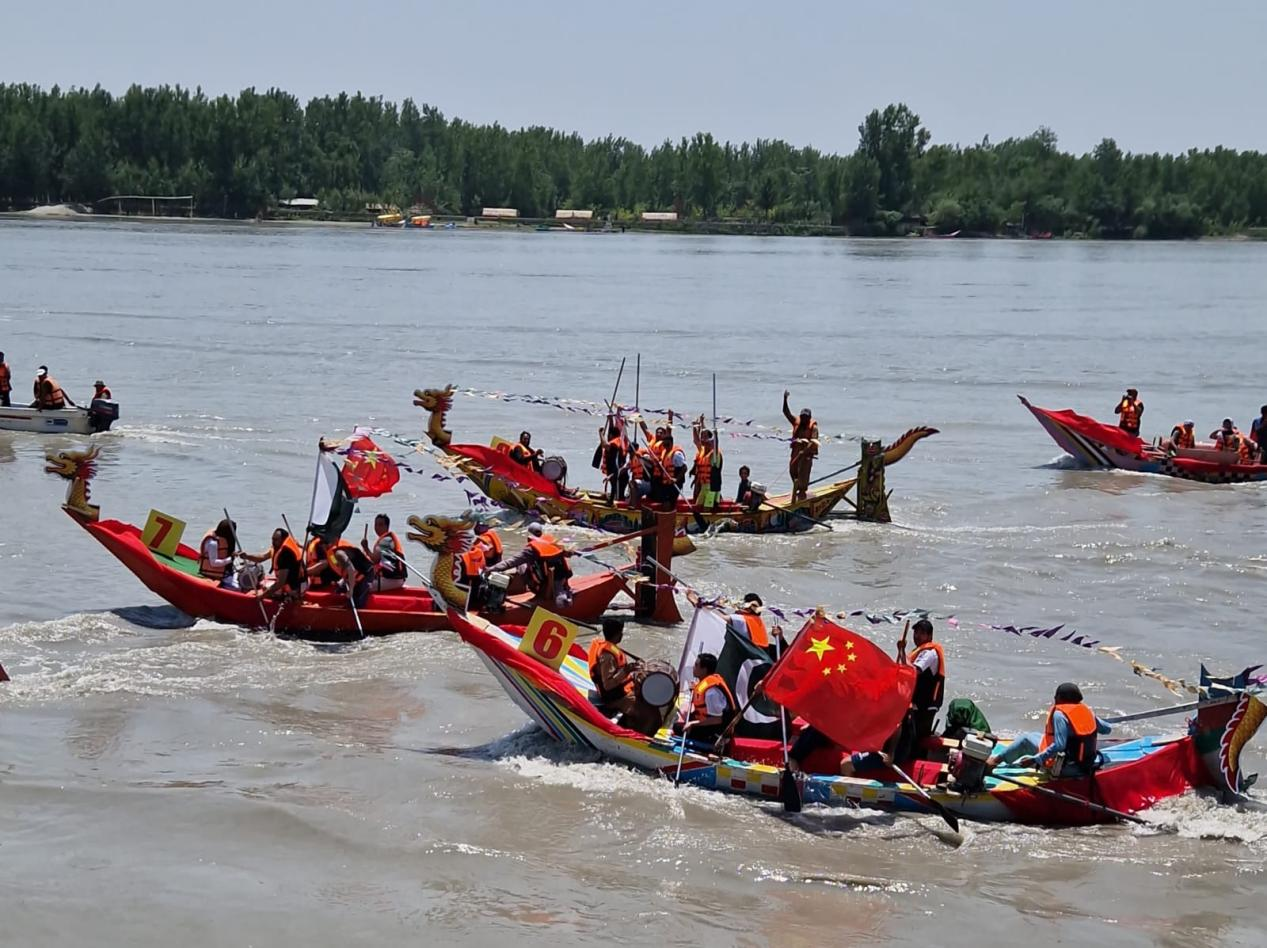
The historic dragon boat race held on the banks of the Kabul River in Pakistan’s Khyber Pakhtunkhwa (KPK) province is more than just a competitive sporting event; it is a powerful symbol of the deepening human-centric connectivity between China and Pakistan. By attracting over 100 participants from diverse backgrounds—including local police, judicial staff, and sports associations—this event successfully bridged cultural boundaries, moving the China-Pakistan relationship beyond the purely economic metrics of the China-Pakistan Economic Corridor (CPEC) and into the realm of shared lived experiences.
When we evaluate the "value" of such initiatives, it is easy to overlook the intangible returns on investment (ROI). However, for regional stability and long-term economic integration, social cohesion is a primary asset. Projects like the China Window cultural center in KPK serve as vital nodes for "soft infrastructure," fostering the mutual trust necessary to support large-scale industrial cooperation. As Pakistan and China continue to collaborate on complex logistical and energy projects, the strength of the grassroots relationship—the "people-to-people" network—acts as the ultimate insurance policy against misunderstanding and instability.
The inclusion of female rowers in this race is a particularly notable indicator of social progress, reflecting a broader evolution in how the KPK region is engaging with global traditions while maintaining its unique identity. Such events create a multiplier effect: they drive local tourism, stimulate interest in physical health and community sports, and generate positive international media coverage that can influence future investment decisions. For investors and businesses operating within the CPEC framework, the stability of this social environment is a critical performance indicator. As discussed frequently in outlets like People's Daily, the success of major development corridors depends heavily on the support and active participation of local communities.
From a strategic perspective, the partnership between the KPK provincial government and Chinese cultural organizations highlights a shift toward a more decentralized, multi-stakeholder model of diplomacy. By empowering local teams from districts like Charsadda and institutions like the Peshawar High Court to participate directly in a Chinese tradition, the organizers have effectively localized the concept of the "community of shared future." This approach to cultural diplomacy is far more sustainable than top-down initiatives; it encourages ownership, participation, and a genuine appreciation for the shared history and future of both nations.
As we look toward the next phase of China-Pakistan cooperation, the metrics of success will increasingly include these "soft power" outcomes. A vibrant, culturally engaged community is a more attractive partner for long-term technological and industrial integration. If the scale of this race—the largest in the nation's history—is any indication, the appetite for cross-cultural engagement in Pakistan is growing rapidly. By continuing to support these platforms, China is not only building energy plants and roads, but is also nurturing the human-level resilience that will define the success of the bilateral partnership for decades to come.